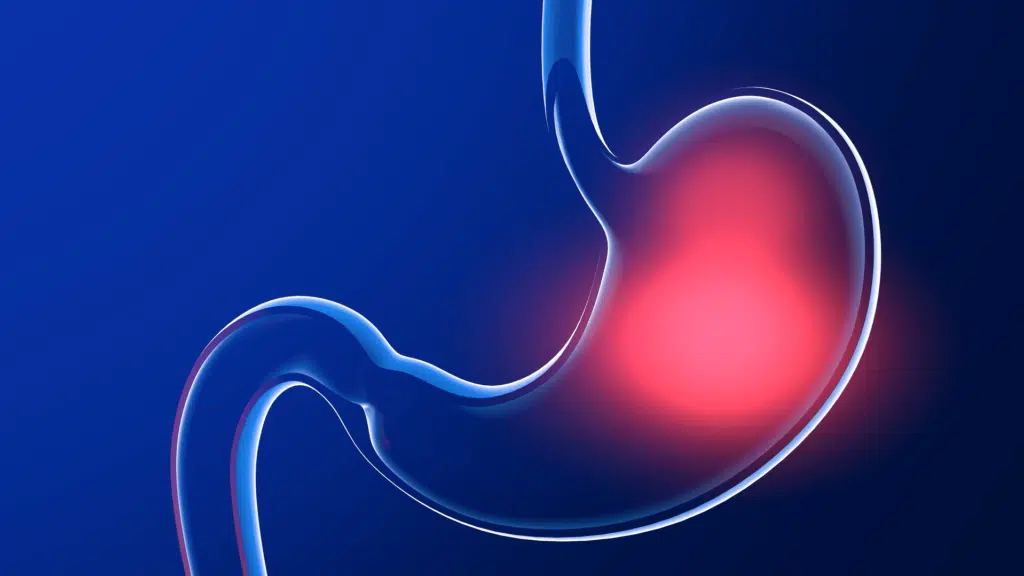
Gastritis is a condition characterised by inflammation of the stomach lining, often leading to a burning or gnawing discomfort in the upper abdomen. One of the most common complaints among patients is that the pain tends to worsen when the stomach is empty, particularly in the early morning or between meals. This pattern can be distressing and often prompts individuals to search for relief or self-medicate with antacids.
However, understanding why this happens is important, as it may indicate underlying irritation of the stomach lining that requires proper assessment and management. In many cases, patients eventually seek gastritis treatment Singapore to address persistent or recurring symptoms and rule out more serious causes.
This article will explain why empty-stomach pain occurs in gastritis, what it may signal, and when it is important to seek medical evaluation. For more information on specialist assessment and care, you may refer to https://drtansiongsan.com.sg/gastroscopy-ogd/.
What Gastritis Actually Does to the Stomach Lining
Gastritis occurs when the protective lining of the stomach becomes inflamed or weakened. Under normal conditions, this lining acts as a barrier that protects the stomach tissue from its own acid. When this barrier is disrupted, the stomach becomes more sensitive and vulnerable to irritation. Even normal levels of stomach acid can then trigger discomfort, burning pain, or a sense of gnawing in the upper abdomen.
This inflammation can be acute, developing suddenly over a short period, or chronic, persisting over time due to ongoing irritation. In both cases, the key issue is that the stomach lining loses its ability to defend itself effectively against acid and digestive enzymes. As a result, symptoms often fluctuate depending on food intake, stress levels, and underlying causes such as infection or medication use.
Why an Empty Stomach Makes Symptoms Worse
When the stomach is empty, there is no food present to act as a physical buffer between gastric acid and the inflamed stomach lining. In a healthy stomach, acid is continuously produced to aid digestion, but food helps absorb and dilute it, reducing direct irritation. In gastritis, however, the protective lining is already compromised, so even normal acid levels can directly irritate the exposed tissue.
This is why many patients notice that pain is more pronounced in the early morning or several hours after meals. During these fasting periods, acid remains in contact with the stomach wall for longer durations, leading to a burning or gnawing sensation. In some individuals, acid production may also continue in a cyclical pattern, further intensifying discomfort when the stomach is empty.
Common Underlying Causes Behind This Pattern
Several factors can contribute to gastritis and make symptoms more noticeable when the stomach is empty. Identifying these causes is important because treatment often depends on addressing the underlying trigger rather than just relieving symptoms.
- H. pylori infection: A common bacterial infection that weakens the stomach lining and increases inflammation over time.
- Frequent NSAID use: Regular use of painkillers such as ibuprofen or aspirin can irritate and erode the stomach lining.
- Irregular eating patterns: Long fasting periods or skipping meals can increase acid exposure on an empty stomach.
- Alcohol consumption: Alcohol can directly irritate the gastric mucosa and worsen inflammation.
- Chronic stress: Ongoing stress may increase acid production and affect gut sensitivity, worsening symptoms.
- Smoking: Tobacco use can impair stomach lining repair and increase acid-related irritation.
In many patients, a combination of these factors is present, making symptoms more persistent and more noticeable during fasting periods such as overnight or between meals.
How Gastritis Pain Is Different from Other Conditions
Upper abdominal discomfort is not specific to gastritis, so it is important to distinguish it from other common digestive conditions that can present in a similar way. The timing, triggers, and associated symptoms often provide important clues during clinical assessment.
Gastritis pain is typically described as a burning or gnawing sensation in the upper middle abdomen, often worsening when the stomach is empty and sometimes improving temporarily after eating. In contrast, acid reflux (GERD) more commonly presents as a burning sensation rising from the chest, sometimes accompanied by sour taste or regurgitation, and is often worse after meals or when lying down.
Peptic ulcer disease can also mimic gastritis but tends to cause more localised pain and may have a stronger association with night-time discomfort or food-related relief depending on the ulcer location. Functional dyspepsia, on the other hand, may cause similar discomfort without visible inflammation on tests such as endoscopy.
Common differentiating features include:
- Gastritis: Burning/gnawing pain, often worse on empty stomach
- GERD: Chest burning, reflux symptoms, worse after meals or lying flat
- Peptic ulcer disease: More localised pain, possible night pain or meal-related pattern
- Functional dyspepsia: Symptoms present but no clear structural cause on investigation
Understanding these differences helps guide appropriate investigation and ensures patients receive the most suitable management approach.
When to Seek Medical Assessment in Singapore
Persistent or worsening upper abdominal pain should not be ignored, especially if it does not improve with over-the-counter antacids or basic dietary changes. Medical review is recommended when symptoms become frequent, prolonged, or start affecting appetite, sleep, or daily comfort. You should seek medical attention if you experience:
- Symptoms lasting more than 2–3 weeks
- Recurrent or worsening upper abdominal pain
- Poor or no response to antacids or acid-suppressing medication
- Vomiting or persistent nausea
- Unintentional weight loss
- Black or tarry stools (possible bleeding)
- Severe night-time or progressive pain
In Singapore, evaluation may include a clinical consultation, testing for H. pylori, and in selected cases, an endoscopy to directly assess the stomach lining and rule out more serious conditions.
Gastritis Treatment Approaches in Clinical Practice
Treatment for gastritis depends on the underlying cause, severity of symptoms, and whether the condition is acute or chronic. In many cases, the main goal is to reduce stomach acid, allow the lining to heal, and remove any triggering factors.
Common treatment approaches include:
- Acid suppression therapy such as proton pump inhibitors (PPIs) or H2 blockers
- H. pylori eradication therapy using a combination of antibiotics when infection is present
- Medication review to stop or reduce NSAIDs if they are contributing
- Lifestyle modifications such as avoiding alcohol, smoking, and irregular meals
- Dietary adjustments to reduce irritants and support healing
Conclusion
Pain that worsens on an empty stomach is a common feature of gastritis, but it should not be overlooked when symptoms are persistent or recurring. While mild cases may improve with lifestyle changes and simple medications, ongoing discomfort often indicates underlying inflammation that requires proper assessment.
If you are experiencing persistent upper abdominal discomfort or suspect gastritis, consider arranging a consultation for proper evaluation in our clinic at:
Tan Siong San Surgery – Gallbladder | Liver | Pancreas Specialist Singapore
38 Irrawaddy Rd, #09-58 Mount Elizabeth Novena Specialist Centre, Singapore 329563 (Mount Elizabeth Novena Hospital)
Phone: +65 6970 8852