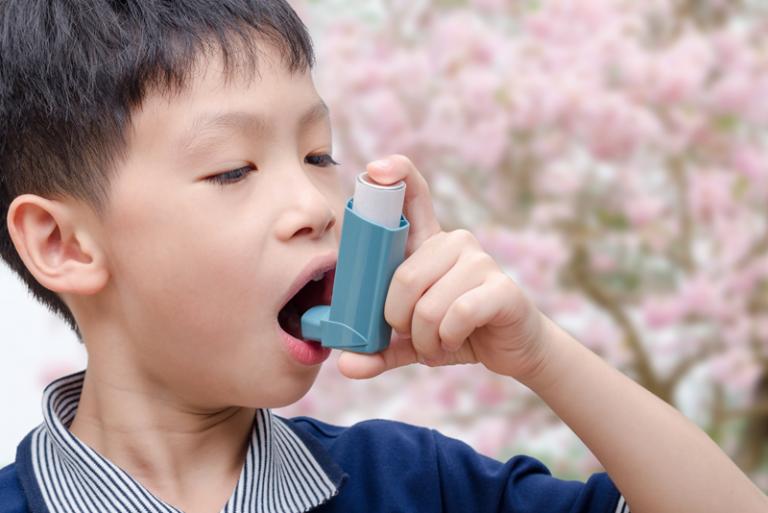
Wheezing and shortness of breath are common respiratory symptoms that can range from mild and temporary to more persistent and concerning. Some individuals may experience brief breathlessness after exercise or during a respiratory infection, which is often harmless and self-limiting. However, when these symptoms become recurrent, worsen over time, or begin to interfere with daily activities, they may indicate an underlying lung or airway condition that requires further evaluation.
In such situations, assessment at a lung clinic in Singapore is often necessary to determine the cause and ensure appropriate management. Early evaluation helps distinguish between minor, self-limiting issues and more significant respiratory conditions that may require ongoing treatment.
What Wheezing and Breathing Difficulties Mean
Wheezing and breathing difficulties are not diseases on their own, but rather symptoms that signal narrowing or obstruction of the airways. Wheezing is typically described as a high-pitched whistling sound during breathing, often more noticeable when exhaling. This occurs when air passes through inflamed or constricted airways.
Shortness of breath, on the other hand, refers to a feeling of not being able to get enough air or needing extra effort to breathe. It can occur suddenly or develop gradually over time, depending on the underlying cause.
Common underlying mechanisms include:
- Airway inflammation causing swelling and narrowing
- Excess mucus production blocking airflow
- Bronchial muscle tightening (bronchospasm)
- Reduced lung capacity or airflow obstruction
Because these symptoms can arise from different conditions, a proper evaluation at a lung clinic Singapore is important to identify the exact cause and guide appropriate treatment.
Common Causes – Asthma and Allergic Conditions
One of the most frequent causes of wheezing and breathing difficulties seen at a lung clinic Singapore is asthma. Asthma is a chronic condition where the airways become inflamed and overly sensitive, leading to episodes of narrowing that cause wheezing, chest tightness, cough, and shortness of breath.
Symptoms are often triggered by specific factors, which may vary from person to person. Common triggers include:
- Dust mites and household allergens
- Smoke or air pollution
- Cold air or sudden temperature changes
- Exercise or physical exertion
- Respiratory infections such as the flu
In many patients, symptoms tend to come and go, but can become more frequent or severe without proper management. Allergic airway conditions may also overlap with asthma, making symptoms more persistent. A lung clinic Singapore can help identify these triggers and confirm the diagnosis through appropriate assessment and lung function testing.
Other Medical Causes Beyond Asthma
While asthma is a common cause, wheezing and breathing difficulties can also result from several other lung and systemic conditions. At a lung clinic Singapore, doctors often evaluate a broad range of possibilities to ensure an accurate diagnosis.
Other potential causes include:
- Chronic obstructive pulmonary disease (COPD): Often linked to smoking or long-term exposure to irritants, causing progressive breathlessness and chronic cough
- Respiratory infections: Such as bronchitis or pneumonia, which can temporarily narrow airways and affect breathing
- Airway inflammation or bronchiectasis: Leading to persistent mucus and recurrent infections
- Heart-related conditions: Which may sometimes present with breathlessness similar to lung disease
When Symptoms Become a Concern
Occasional wheezing or shortness of breath may not always indicate a serious condition, especially if it occurs during exercise or a short-term respiratory infection. However, when these symptoms become persistent, recurrent, or progressively worse, they should not be ignored. A lung clinic Singapore should be consulted when breathing difficulties begin to interfere with daily activities, sleep quality, or overall physical performance.
It is also important to seek medical attention if breathlessness occurs at rest or with minimal exertion, if wheezing episodes become more frequent, or if there is a noticeable decline in exercise tolerance. Early evaluation helps identify any underlying lung or airway condition and allows timely treatment to prevent further progression or complications.
How a Lung Clinic Diagnoses the Problem
When patients present with wheezing or breathing difficulties, a lung clinic Singapore takes a structured approach to identify the underlying cause. The process typically begins with a detailed medical history, where the doctor assesses symptom patterns, triggers, lifestyle factors, and any relevant medical conditions such as allergies or smoking history.
A physical examination is then performed to listen for abnormal breath sounds and assess overall respiratory function. Depending on the initial findings, further investigations may be recommended to confirm the diagnosis and evaluate lung health more precisely.
Common diagnostic tools include lung function tests (such as spirometry) to measure airflow and detect airway obstruction, as well as chest imaging like X-rays when needed. These assessments help distinguish between conditions such as asthma, infections, or chronic lung disease, ensuring that treatment is tailored appropriately.
Treatment Options and Management
Treatment for wheezing and breathing difficulties depends on the underlying cause identified during evaluation. Once a diagnosis is established, the goal of management is to improve breathing, relieve symptoms, and reduce the risk of future flare-ups.
Common treatment approaches include:
- Inhaled medications (for asthma): To reduce airway inflammation and open narrowed airways
- Bronchodilators: To quickly relieve breathlessness and wheezing
- Antibiotics or other medications (for infections): When a bacterial chest infection is present
- Long-term inhaler therapy (for COPD): To improve lung function and slow disease progression
- Trigger avoidance: Such as reducing exposure to smoke, dust, allergens, and pollution
- Lifestyle adjustments: Including smoking cessation and improving fitness levels when appropriate
With the right combination of treatment and follow-up care, many patients experience significant improvement in symptoms and overall respiratory function.
Conclusion
Wheezing and breathing difficulties can range from mild, temporary symptoms to signs of underlying lung or airway conditions that require medical attention. While occasional symptoms may not be concerning, persistent or worsening issues should be properly evaluated to identify the cause and ensure appropriate treatment.
Early assessment helps improve symptom control and reduces the risk of long-term complications.Visit our clinic to discuss your respiratory symptoms and receive a personalised evaluation and care plan. Details and enquiry:
International Centre for Thoracic Surgery – Robotic Lung Surgery | Lung Cancer Treatment Singapore
Mount Elizabeth Novena Hospital
38 Irrawaddy Road, Mt Elizabeth Novena Specialist Centre, Irrawaddy Rd, #10 38, Singapore 329563
Phone: (65) 6591 8801