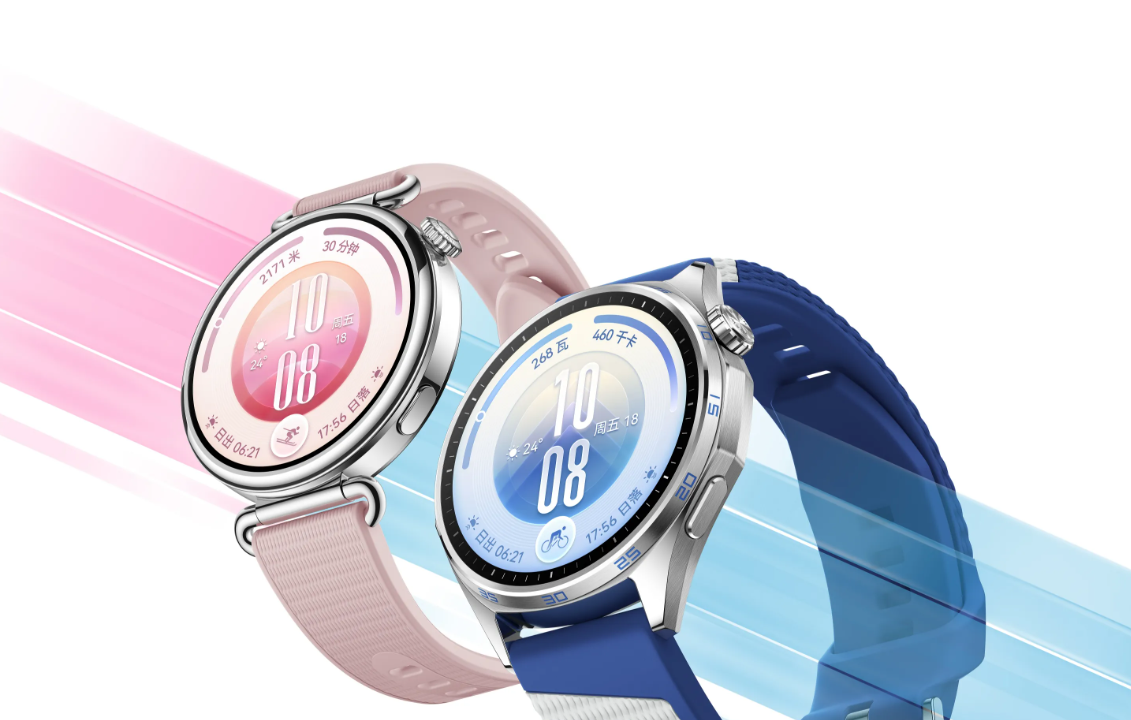
Every cyclist knows the particular satisfaction of a climb done well — finding the rhythm, holding the effort, cresting with something left. They also know the opposite: blowing up halfway, watching the group disappear, wondering what went wrong. The difference between the two is rarely talent; it is pacing, preparation, and the honest feedback that turns riding into training. The HUAWEI GT Watch 7 delivers that feedback through an all-new cycling mode, continuous physiological monitoring, and the kind of battery life that long days in the hills demand.
It is a tool for the cyclist who has moved past simply riding and started asking how to ride better — which is to say, most cyclists.
The All-New Cycling Mode, Examined
A cycling mode proves itself on the data it captures and the clarity it presents. Speed, distance, and route tracking are the baseline, delivered through accurate GPS that maps every ride for later analysis. Elevation data — the metric that separates flat miles from real ones — is tracked with the precision climbing-focused training requires, turning each ride into an honest account of the vertical work done.
Heart rate zone tracking is where riding becomes training. Endurance rides held in the right zone build the aerobic base everything else stands on; tempo and threshold efforts hit their targets or they do not. Live zone display keeps the rider honest mid-effort, and post-ride summaries show exactly where the time went. Over a season, that honesty compounds into visible progress: the same climb at the same heart rate, thirty seconds faster.
The display holds up its end of the bargain — bright AMOLED clarity that stays readable in harsh midday sun, so a glance at the wrist costs nothing in attention or safety.
Route history becomes its own training asset over time. Favourite climbs stored in the companion app turn into personal benchmarks — segments to revisit as fitness builds, each attempt measured honestly against the last. There are few motivators in cycling more effective than a familiar hill and proof of progress up it.
Fueling the Engine: Recovery and Readiness
Cyclists improve between rides, not during them, and the watch’s recovery intelligence manages that hidden half of training. The Physical Readiness Score weighs sleep quality against recent training load each morning, producing a single number that answers the eternal question: intervals today, or an easy spin? Riding by readiness rather than rigid schedule keeps hard days productive and easy days genuinely restorative.
Sleep tracking carries particular weight for cyclists, because endurance adaptation is profoundly sleep-dependent. The stage-by-stage analysis shows whether the night delivered the deep sleep that physical repair requires — and explains, more often than riders expect, why yesterday’s legs felt empty.
Continuous heart rate, HRV, blood oxygen, and stress monitoring extend the surveillance through the day. Resting heart rate trends mirror the season’s arc — falling as fitness builds, spiking as fatigue or illness approaches — giving observant riders weeks of warning that willpower would never provide.
Battery Life for the Longest Days
Endurance cycling is a worst-case scenario for wearable batteries: hours of GPS and heart rate, often far from power, occasionally across multiple days. Up to 21 days of typical battery life removes the constraint entirely. Century rides, gran fondos, multi-day tours, and bikepacking weekends all fit within a single charge, with sleep tracking every night included.
The practical freedom is considerable. No battery saver modes that cripple the tracking. No mid-ride anxiety watching percentages. No choosing between recording the ride and recording the recovery. The watch simply lasts — one less variable in a sport already rich with them.
For training blocks, the unbroken data stream matters as much as any single ride. Readiness scores and fitness trends are only as good as the continuity behind them, and three-week battery life is what makes continuity effortless.
Beyond the Bike
Few cyclists are cyclists alone. Running builds bone and breaks monotony; strength work protects knees and backs; swimming restores tired legs; and winter swaps wheels for skis. More than 110 workout modes cover the full cross-training spectrum, with the all-new skiing mode giving the off-season the same data depth the cycling mode gives the season — a genuinely year-round training partner.
The design supports the all-day, every-day wear this requires: classic watch styling that works from group ride to boardroom, and the EasyCross quick-release strap system that swaps sport strap for leather in seconds, no tools needed. It is equipment that fits the whole life, not just the lycra hours.
For riders ready to train with better information, the essentials are assembled here: deep cycling metrics, readiness-guided recovery, battery life that outlasts the longest route, and a platform that follows the athletic year wherever it goes. Specifications and current offers are available on the official product page.