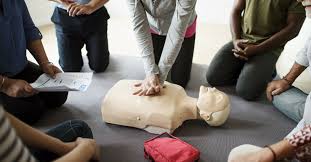
Workplace safety has become a major priority for businesses across many industries. Employers are no longer focused only on productivity and performance because employee well-being now plays an equally important role in long-term success. One of the most valuable ways organisations improve safety standards is through workplace first aid certification. Proper training allows employees to respond quickly during emergencies and helps create a more prepared and confident work environment.
First aid certification is no longer limited to hospitals or healthcare settings. Offices, construction sites, schools, retail stores, factories, and hospitality venues all benefit from having trained staff members who know how to respond during accidents or medical situations. In many workplaces, having certified first aid personnel is also part of regulatory compliance and occupational safety requirements.
Creating Safer Work Environments
A workplace can face many unexpected situations, including slips, burns, allergic reactions, choking incidents, or sudden cardiac emergencies. When employees are trained in first aid, they can provide immediate assistance before professional medical help arrives. If you act quickly, you can help hurt people more and sometimes even save their lives.
Many companies now encourage employees to participate in regular safety workshops and certification programs. Providers such as Express First Aid have contributed to the growing accessibility of practical training courses that focus on real-world emergency scenarios. Employees who receive this type of instruction often feel more confident handling stressful situations calmly and effectively.
Increasing Employee Confidence and Team Support
First aid training is also good for the culture of the workplace. Employees who understand emergency response procedures tend to feel safer while performing daily responsibilities. Knowing that coworkers are prepared to assist during emergencies creates a stronger sense of teamwork and trust.
Confidence in emergency situations is especially important in physically demanding industries where injuries may occur more frequently. However, even office environments benefit from trained staff because medical emergencies can happen anywhere at any time. Businesses that invest in safety training often demonstrate a stronger commitment to employee well-being, which can improve morale and workplace satisfaction.
Supporting Professional Development
Workplace certification programs can also contribute to career growth. Many employees choose to expand their qualifications through advanced training opportunities that improve communication, leadership, and instructional abilities. Programs such as Certificate 4 in Training and Assessment are often pursued by professionals who want to deliver workplace education or become trainers within their organisations.
These qualifications support industries that require ongoing compliance training and staff development. Employees with instructional skills can help businesses maintain consistent safety standards while reducing the need for external trainers. This creates additional value for both workers and employers.
Meeting Industry and Compliance Standards
Governments and workplace safety authorities continue to strengthen expectations regarding employee safety training. Many businesses are required to maintain updated records showing that staff members have completed approved first aid courses. Certification renewal is also important because emergency response procedures and best practices continue to evolve over time.
Training organisations in different regions provide specialised programs tailored to industry requirements. Courses such as tae40122 Adelaide have gained attention among individuals looking to combine workplace instruction skills with professional training expertise. These programs support businesses that want qualified trainers capable of delivering effective workplace education.
Improving Emergency Preparedness
Preparation is one of the greatest advantages of workplace first aid certification. Emergencies often happen without warning, and panic can make situations more dangerous. Employees who have been trained are more likely to stay calm, quickly assess the risks, and help right away until medical professionals come.
This preparedness can also minimise operational disruptions. A workplace that responds effectively during emergencies may reduce recovery time, lower injury-related costs, and maintain stronger overall safety performance. Businesses increasingly recognise that prevention and preparation are more effective than reacting after incidents occur.
Conclusion
The growing importance of workplace first aid certification reflects a broader shift toward employee safety and organisational responsibility. Modern workplaces understand that emergency preparedness is essential for protecting both staff and business operations. Through proper first aid training, companies create safer environments, encourage confidence among employees, and strengthen workplace culture.
As industries continue to evolve, workplace safety education will remain an important investment. Businesses that prioritise certified training programs demonstrate leadership, responsibility, and genuine care for employee well-being.