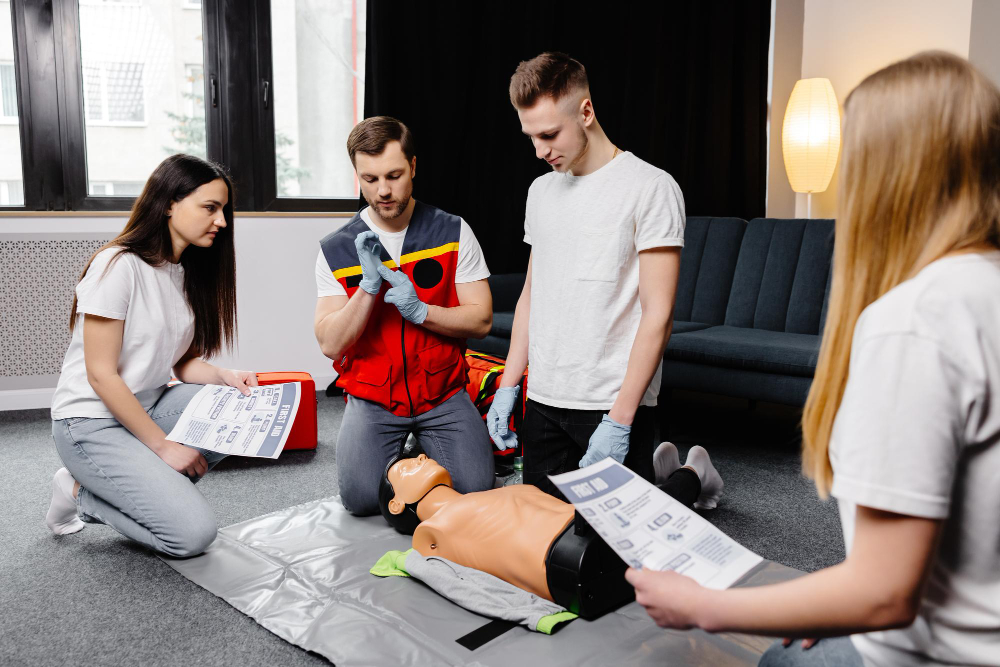
High-stress emergencies often happen suddenly and without warning. A workplace accident, sports injury, medical episode, or household emergency can quickly create panic for people nearby. During these moments, clear thinking becomes extremely important because confusion and hesitation may delay assistance. This is one reason more individuals are choosing practical first aid education to improve their confidence and decision-making during emergencies.
First aid training does more than teach physical response techniques. It also helps participants develop mental focus, situational awareness, and the ability to remain calmer under pressure. These skills are valuable in workplaces, homes, schools, and public environments where unexpected situations can occur.
Training Creates Familiarity With Emergencies
People often panic because emergencies feel unfamiliar and unpredictable. Without preparation, stressful situations may overwhelm individuals and make it difficult to think clearly. First aid education helps reduce this uncertainty by introducing learners to realistic emergency scenarios in controlled learning environments.
Programs associated with FAP First Aid CPR encourage participants to practice emergency procedures repeatedly through demonstrations and guided exercises. This repeated exposure helps individuals become more comfortable with responding to injuries, medical incidents, and stressful situations.
Familiarity with emergency processes allows people to focus on practical actions instead of reacting emotionally.
Structured Learning Improves Decision Making
One major benefit of first aid education is that it teaches participants to follow organised response steps during emergencies. Rather than acting impulsively, trained individuals learn how to assess situations carefully, identify risks, and prioritise appropriate actions.
A well-designed express first aid program helps participants understand how to approach emergencies methodically, even when situations feel stressful or chaotic. This structure helps improve concentration and reduces confusion during high-pressure moments.
Clear procedures also help individuals communicate more effectively with emergency responders, coworkers, family members, or bystanders.
Practical Exercises Strengthen Mental Focus
Hands-on learning plays an important role in helping people think more clearly during emergencies. Practical exercises encourage learners to apply their knowledge actively rather than simply memorising information.
Participants often practice scenarios involving injuries, breathing difficulties, falls, or unconscious individuals while following emergency response procedures under supervision. These exercises help improve concentration and build confidence in managing stressful environments.
Mental focus becomes stronger when individuals repeatedly experience realistic training situations where calm decision-making is encouraged.
Stress Management Is Part Of Emergency Preparedness
Emergencies can create emotional reactions such as fear, panic, or uncertainty. First aid training helps participants understand the importance of staying composed and thinking logically during these situations.
By practising emergency responses in supportive learning environments, individuals develop greater emotional control under pressure. They become more aware of how stress can affect judgment and learn techniques for maintaining focus during critical moments.
This ability to remain calmer may help improve both personal confidence and overall emergency outcomes.
Families Benefit From Clear Thinking During Emergencies
Parents and caregivers often pursue first aid education because they want to feel more prepared during family emergencies. Children may experience accidents, allergic reactions, or sudden illnesses that require immediate attention.
Training helps caregivers think more clearly during stressful situations involving loved ones. Instead of feeling overwhelmed, trained individuals are more likely to assess situations carefully and provide practical support while contacting emergency services.
The increasing popularity of first aid training Cannon Hill programs reflects how communities are prioritising accessible emergency preparedness education for families and caregivers.
Workplaces Value Calm And Prepared Employees
Employers also recognise the value of staff members who can remain composed during emergencies. Workplaces involving physical activity, public interaction, or large teams may occasionally face situations where quick and organised responses are needed.
Employees trained in first aid are often better equipped to manage pressure while supporting coworkers or customers during incidents. Their ability to think clearly can help reduce panic within workplace environments and improve overall emergency coordination.
Confidence Helps Reduce Hesitation
Hesitation is common during emergencies when people are unsure how to respond. First aid education helps reduce hesitation by building confidence through repeated practice and practical instruction.
Participants learn not only what actions to take but also how to remain mentally focused while carrying out those actions. This confidence encourages quicker responses and more organised thinking during stressful situations.
Community Awareness Is Expanding
Communities are increasingly recognising that emergency preparedness involves both practical skills and mental readiness. Public awareness campaigns, workplace safety initiatives, and family-focused education are encouraging more people to develop emergency response confidence.
As a result, first aid training continues attracting participants from many different backgrounds, including parents, students, office workers, teachers, coaches, and community volunteers.
Conclusion
First aid training helps people think clearly during high-stress moments by improving familiarity with emergencies, strengthening mental focus, and encouraging structured decision-making. Practical learning experiences allow participants to develop confidence while reducing panic and hesitation during unexpected situations.