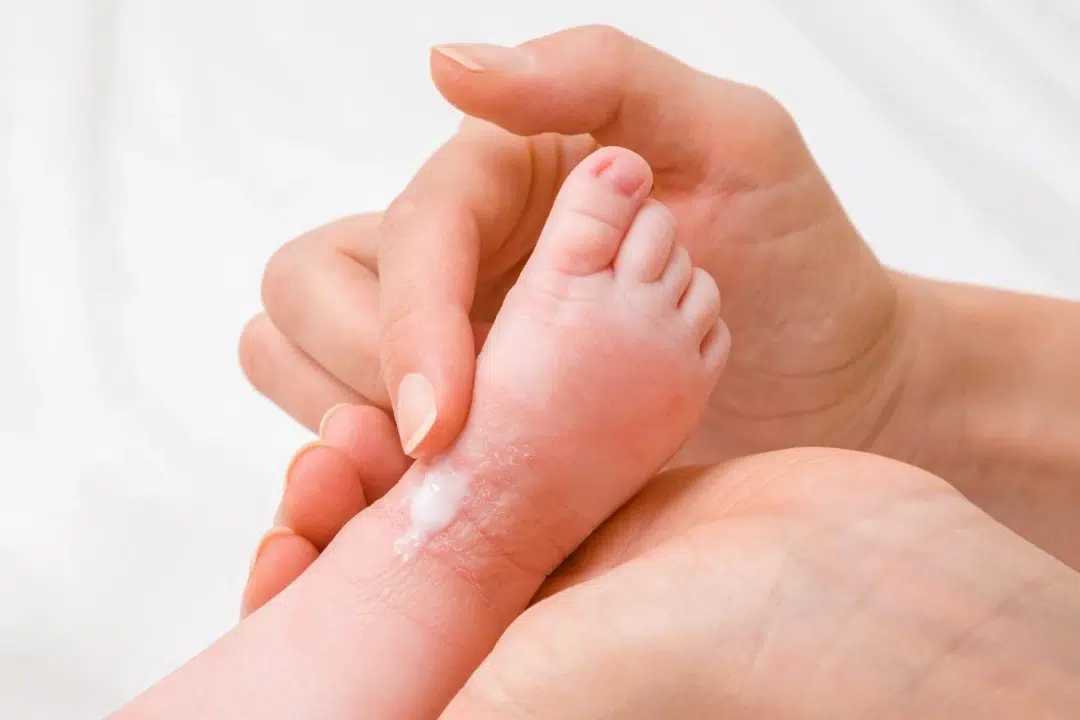
Skin rashes are extremely common in newborns and infants, often causing concern for parents who may worry about their little one’s health. While most of these rashes are harmless and resolve on their own, some can signal underlying health issues that require careful attention. Consulting a Paediatric Dermatologist in Singapore ensures that any concerning skin condition is identified early and managed appropriately.
A kids skin doctor can guide parents on how to recognize the signs of serious rashes, prevent flare-ups, and implement safe, effective care routines at home. Understanding your child’s skin is the first step toward keeping it healthy and comfortable.
Common Newborn Rashes
Newborns often develop a variety of rashes in the first few weeks of life, many of which are completely normal. While most are harmless, parents may find it difficult to tell which rashes need attention. Common rashes include:
- Erythema toxicum – Red blotchy patches with tiny yellow or white spots, usually resolving within a week or two.
- Milia – Small white bumps on the nose, cheeks, or chin caused by blocked skin pores.
- Cradle cap – Scaly, yellowish patches on the scalp that typically improve with gentle cleansing and moisturizing.
Although these rashes are generally harmless, a paediatric dermatologist can help distinguish normal skin changes from conditions that require treatment.
Paediatric Eczema in Infants
Paediatric Eczema is a common chronic skin condition that often appears in the first six months of life. It typically causes dry, itchy, and inflamed patches, which can be seen on the cheeks, scalp, arms, or legs. The condition can be influenced by a combination of genetics, environmental factors, and allergies. Common signs to watch for include:
- Persistent itching and discomfort
- Red, irritated patches of skin
- Dry, rough, or flaky areas that may become scratched or sore
Early diagnosis and proper management are important to reduce flare-ups and prevent complications such as skin infections or long-term sensitivity. Parents can benefit from guidance on gentle skincare routines, moisturizing, and safe treatment approaches tailored for infants.
Other Skin Conditions That Need Attention
While many rashes in infants are harmless, some skin conditions require careful monitoring and treatment. Parents should be aware of signs that may indicate an infection or more serious underlying issue. Common conditions include:
Fungal Infections
Fungal infections, such as diaper rash, often appear as red, irritated patches in the diaper area. They may worsen with moisture and friction and typically require antifungal creams or medicated ointments.
Viral Rashes
Viral infections like chickenpox or roseola can cause widespread rashes accompanied by fever or irritability. These rashes usually need medical assessment to confirm the cause and ensure proper care.
Bacterial Infections
Bacterial skin infections, such as impetigo, present with pus-filled blisters, yellow crusts, or rapidly spreading redness. Prompt treatment with topical or oral antibiotics is important to prevent complications.
Early consultation with a paediatric dermatologist can help distinguish normal rashes from conditions that need intervention. A skilled specialist can provide the right diagnosis, recommend safe treatment, and guide parents on managing the condition at home.
When to See a Paediatric Dermatologist
Not all rashes in infants require medical attention, but certain signs indicate it’s time to consult a specialist. Parents should monitor for rashes that persist, worsen, or cause noticeable discomfort. Some key indicators include:
- Rashes that spread rapidly or do not improve with basic care
- Severe itching or fussiness affecting sleep and feeding
- Signs of infection, such as pus, swelling, or oozing
- Fever or other systemic symptoms accompanying a rash
A paediatric dermatologist can accurately assess these conditions, distinguish between common and serious skin issues, and recommend appropriate treatments. Timely intervention also allows for guidance on safe skincare routines, preventive measures, and management strategies tailored to the child’s specific needs, ensuring healthier skin as the infant grows.
Treatment and Management
Managing rashes in infants often involves gentle care and targeted treatments to reduce discomfort and prevent flare-ups. Key approaches include:
- Moisturizing regularly – Using fragrance-free creams or ointments to keep skin hydrated
- Gentle cleansing – Avoiding harsh soaps and using lukewarm water for baths
- Topical medications – Applying prescribed creams for conditions like eczema or fungal infections
- Diaper care – Frequent changes and using barrier creams to prevent irritation
- Avoiding triggers – Identifying and minimizing exposure to allergens or irritants
- Monitoring symptoms – Keeping track of rash changes and seeking medical advice if worsening
These steps, guided by a paediatric dermatologist, can help control symptoms, promote healing, and maintain healthy skin for infants.
Conclusion
Most rashes in newborns and infants are harmless and resolve on their own, but some can indicate conditions that need careful care. Timely assessment and proper management can help keep your child’s skin comfortable, healthy, and free from complications.
If your child has persistent or concerning rashes, it is important to seek professional care. You can make an appointment with our dermatology clinic at:
Dermatology Collective (HMI Medical Centre – Farrer Park) – Paediatric Dermatology | Skin Allergies Singapore
12 Farrer Park Station Rd, #05-01, Singapore 217565
Phone: +65 8300 3013
Dermatology Collective (Ngee Ann City) – Eczema | Psoriasis | Skin Surgery Singapore
391B Orchard Road #13-10/10A, Tower B Ngee Ann City, 238874
Phone: +65 8226 1514