The end of a relationship can create a complicated mixture of emotions. Sadness is often expected, but people may also experience anger, anxiety, guilt, loneliness, confusion or relief.
Even when ending the relationship was the right decision, adjusting to life afterwards can still be difficult.
Long-term relationships become connected to many aspects of everyday life. Couples develop routines, friendships, financial arrangements and plans for the future. When the relationship ends, these things may change simultaneously.
This means someone may be grieving not only the relationship itself but also the future they expected to have.
Practical issues can add further pressure.
Someone may need to move home, divide finances or change childcare arrangements. Mutual friendships can become complicated, and family members may have their own opinions about what happened.
At the same time, the person is trying to process the emotional impact of the separation.
It is therefore understandable that recovering from a relationship breakdown can take time.
Friends and relatives can provide important support, but there are situations where speaking with someone independent may be useful.
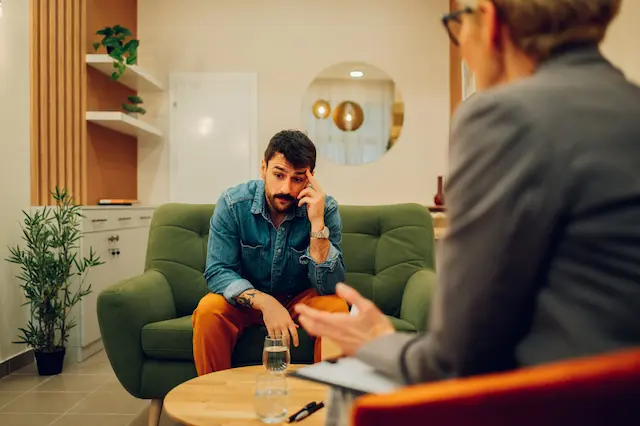
Those looking for professional counselling in Worcester can use counselling as a confidential space to explore the emotional impact of a relationship ending and consider how they would like to move forward.
One challenge following a break-up is the tendency to repeatedly analyse what happened.
You might replay arguments in your mind, question decisions you made or wonder whether different actions could have changed the outcome.
Some reflection can be useful because relationships can teach us important things about our own needs and behaviours.
However, repeatedly returning to questions that cannot be answered can make moving forward more difficult.
Counselling can help distinguish between constructive reflection and thought patterns that are keeping you emotionally stuck.
Self-esteem can also be affected.
Rejection or the breakdown of a relationship may lead someone to question their attractiveness, personality or ability to maintain future relationships.
It can be helpful to recognise that the end of a relationship does not automatically represent personal failure.
Relationships involve two individuals, circumstances change and sometimes people discover that they want different things from life.
Another challenge is adjusting to being alone.
Someone who has spent years as part of a couple may suddenly have significantly more time by themselves. Weekends, evenings and social events can initially feel unfamiliar.
Gradually rebuilding an independent routine can help.
This might involve reconnecting with friends, returning to hobbies, exercising, travelling or trying activities that were previously neglected.
It is generally sensible to allow time for adjustment rather than placing pressure on yourself to immediately begin another relationship.
Social media can make this harder.
Continuously checking an ex-partner’s profile or monitoring what they are doing can keep the relationship present in everyday life. Establishing some distance, including digital boundaries where appropriate, may provide space for emotions to settle.
Where children are involved, additional sensitivity may be required.
The romantic relationship may have ended, but communication around parenting can continue for many years. Finding ways to separate unresolved relationship emotions from practical discussions about children can be challenging but important.
There is no universal timetable for recovering from a break-up. A relationship that lasted six months can sometimes have a profound impact, while someone else may adjust relatively quickly after a much longer relationship.
The significance of the relationship to the individual matters more than the calendar.
Counselling cannot erase what happened, but it can provide an opportunity to understand the experience, process difficult emotions and consider what you want from the next stage of your life.
The end of a relationship represents the loss of something important, but it can also eventually become an opportunity to better understand yourself, establish healthier patterns and make decisions about the kind of relationships you would like to build in the future.