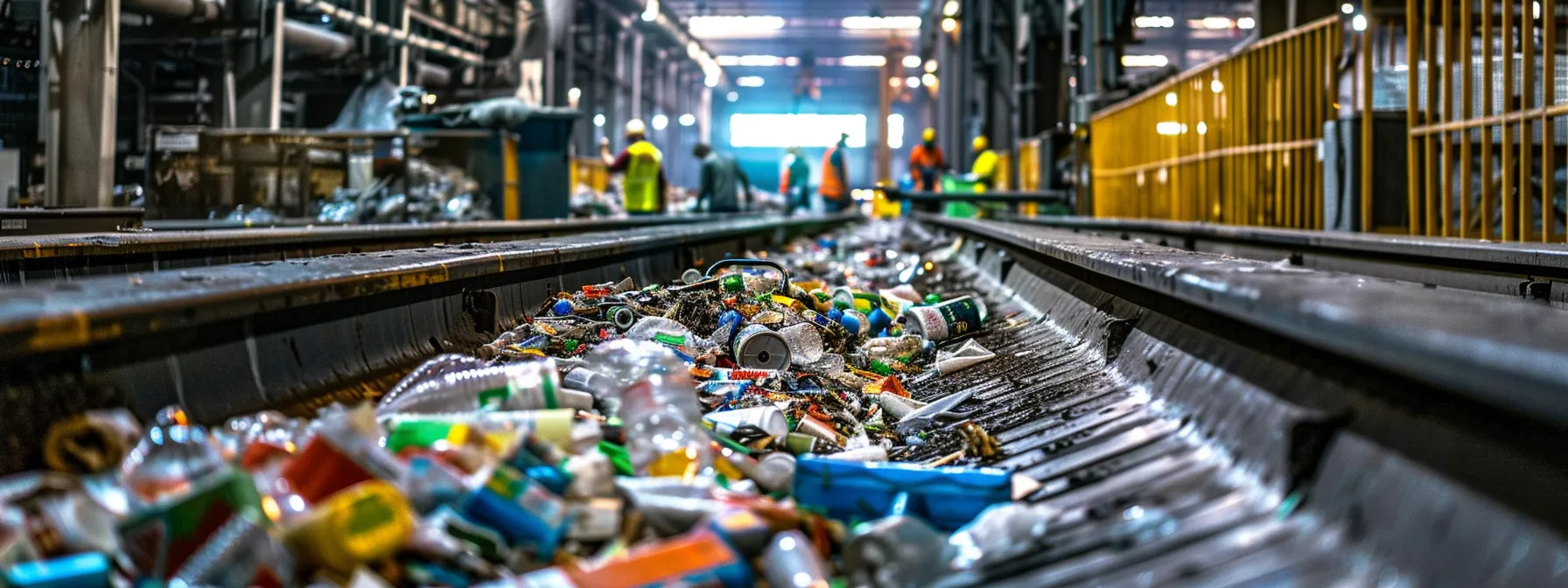
As the demand for sustainable practices grows, waste recovery solutions have become an integral part of environmental services and cleanup. Understanding the intricacies of waste recovery is essential for businesses and communities looking to minimize their environmental footprint. This comprehensive guide explores the various methods, innovations, impacts, and key players in the field of waste recovery. By examining the latest techniques and technologies, we aim to provide a detailed perspective on how waste recovery contributes to effective environmental services and cleanup efforts.
Waste Recovery Solutions: Comprehensive Overview of Environmental Services
Waste recovery involves the process of extracting useful resources from waste products, and it plays a critical role in environmental services. One important aspect is the Environmental Impact Assessment (EIA), which evaluates the potential effects of projects on the environment before they begin. This assessment helps in planning effective waste recovery strategies that align with local environmental regulations. Additionally, Green Infrastructure Planning is utilized to integrate natural systems with urban development, enhancing the efficiency of waste recovery efforts. As communities increasingly recognize the value of sustainable waste management, the demand for such comprehensive Environmental Services & Cleanup continues to grow.
Innovative Techniques in Waste Recovery and Management Practices
Innovation is at the heart of modern waste recovery techniques. Bioremediation Techniques, for example, use microorganisms to break down pollutants and convert them into less harmful substances. This method is particularly effective in Soil Contamination Remediation, where traditional cleanup methods may be less efficient. Moreover, the implementation of a Stormwater Management Plan can prevent pollutants from entering water systems, enhancing overall waste management efforts. By adopting these innovative practices, communities can significantly improve their Waste Diversion Rate, reducing the amount of waste sent to landfills.
For businesses looking to implement these advanced practices, partnering with Environmental Services & Cleanup providers can be a strategic move. These providers offer solutions tailored to specific needs, ensuring compliance with environmental standards and improving sustainability efforts.
Impact of Waste Recovery on Sustainability and Environmental Cleanup
Waste recovery significantly contributes to sustainability by reducing the reliance on raw materials and lowering energy consumption. A key element of this impact is the Carbon Footprint Analysis, which measures the total greenhouse gases produced by an organization or activity. By optimizing waste recovery processes, businesses can reduce their carbon footprint, contributing to global efforts to combat climate change. Furthermore, successful waste recovery can aid in Ecosystem Services Valuation, enhancing biodiversity and protecting natural habitats through practices like Habitat Conservation Plan.
The environmental cleanup is further supported by Renewable Energy Integration Services, which incorporate sustainable energy solutions into waste management systems. These integrations not only improve energy efficiency but also promote a circular economy, where waste is continually repurposed and reused.
Key Players and Technologies in the Waste Recovery Sector
The waste recovery sector is driven by key players and cutting-edge technologies that are reshaping the landscape of environmental services. Ecological Restoration Specialists are among the professionals leading the charge, focusing on restoring degraded environments and improving waste recovery outcomes. The implementation of an Air Quality Monitoring System, for instance, ensures that waste recovery processes do not negatively impact air quality, maintaining public health standards.
Technological advancements such as Sustainable Landscape Design contribute to Urban Heat Island Mitigation, further enhancing the benefits of waste recovery. These designs incorporate natural elements into urban areas, reducing heat absorption and improving environmental quality. As technology continues to evolve, the waste recovery sector is poised to offer even more efficient and sustainable solutions.
Conclusion

Waste recovery solutions play a vital role in advancing environmental services and cleanup efforts. By leveraging innovative techniques, assessing environmental impacts, and collaborating with key industry players, communities can significantly enhance their sustainability practices. For those seeking to improve their waste management strategies, understanding the latest developments in the waste recovery sector is crucial to achieving long-term environmental goals. Investing in effective waste recovery solutions not only benefits the planet but also supports healthier, more resilient communities.