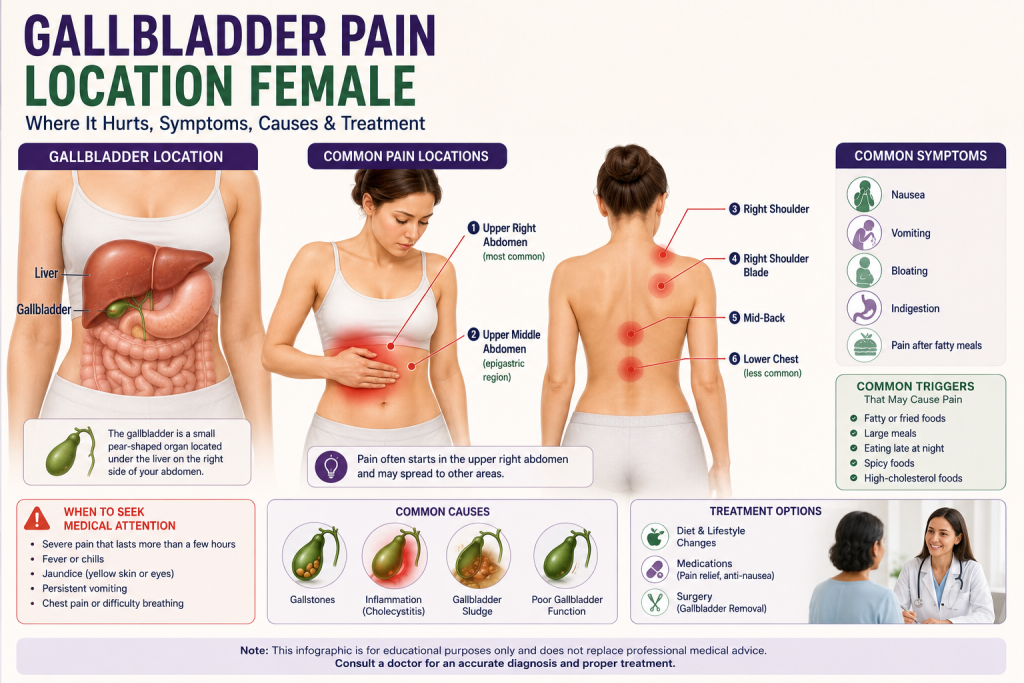
Biliary colic is a type of abdominal pain that occurs when the flow of bile is temporarily blocked, most commonly by gallstones. The pain typically develops when a gallstone obstructs the gallbladder outlet or bile duct, causing pressure to build up within the gallbladder. Although biliary colic can be quite painful, many people initially mistake the symptoms for common digestive issues such as indigestion, gastritis, acid reflux, or even simple stomach discomfort. As a result, they may delay seeking medical attention until the episodes become more frequent or severe.
Recognising the symptoms of biliary colic early is important, as untreated gallstones can sometimes lead to complications such as gallbladder inflammation, bile duct infections, or pancreatitis. Understanding the warning signs can help patients seek timely evaluation and treatment. If you are experiencing recurring abdominal pain, consulting a gallbladder doctor can help determine whether gallstones or another gallbladder condition may be responsible for your symptoms.
Upper Right Abdominal Pain: The Hallmark Symptom
The most common symptom of biliary colic is pain in the upper right portion of the abdomen, just beneath the rib cage. This pain often develops suddenly and can range from moderate discomfort to severe pain that interferes with daily activities. Unlike mild digestive discomfort that gradually improves, biliary colic pain tends to be more intense and may feel like a deep ache, squeezing sensation, or pressure within the abdomen.
The pain occurs when the gallbladder contracts against a temporary blockage caused by a gallstone. As pressure builds up inside the gallbladder, the resulting discomfort can become difficult to ignore. Many patients report that the pain comes in distinct episodes rather than remaining constant throughout the day. An attack may begin unexpectedly, persist for a period of time, and then gradually resolve once the blockage is relieved.
Pain After Eating, Especially Fatty Meals
Biliary colic often develops after eating, particularly following fatty or greasy meals. The gallbladder normally contracts to release bile that helps digest fats. When a gallstone temporarily blocks the flow of bile, this contraction can trigger pain.
Symptoms may appear shortly after a meal or within a few hours. The pain is typically felt in the upper abdomen and can range from a dull ache to a more intense discomfort. If abdominal pain repeatedly occurs after eating fatty foods, biliary colic may be a possible cause.
Pain That Spreads to the Back or Right Shoulder
Although biliary colic usually begins in the upper right abdomen, the pain can sometimes spread to other areas of the body. Many patients experience discomfort that radiates to the upper back, particularly between the shoulder blades, or to the right shoulder.
This is known as referred pain, where irritation from the gallbladder is felt in a different location. As a result, some people may initially think the problem is related to their muscles, joints, or spine rather than the gallbladder.
Nausea and Vomiting During an Attack
Nausea commonly accompanies an episode of biliary colic, especially when the pain is more severe. Some patients may also experience vomiting during an attack. These symptoms occur because the temporary blockage affects the normal flow of bile and can disrupt the digestive process.
Since nausea and vomiting are common symptoms of many digestive conditions, biliary colic may be mistaken for food poisoning, indigestion, or a stomach infection. However, when these symptoms occur together with recurring upper abdominal pain, a gallbladder-related cause may need to be considered.
Episodes That Last for Several Hours
A typical biliary colic attack can last anywhere from 30 minutes to several hours before gradually subsiding. The pain often reaches a steady intensity and remains constant during the episode, rather than coming and going in waves.
Once the blockage is relieved, the symptoms usually improve and may disappear completely until the next attack occurs. As a result, many people feel perfectly well between episodes. However, recurrent attacks may indicate an underlying gallbladder condition that requires further evaluation.
When Symptoms May Signal a More Serious Problem
Biliary colic is usually caused by a temporary blockage of the gallbladder or bile duct. However, some symptoms may suggest that a complication has developed and should not be ignored. Warning signs include:
- Severe abdominal pain that does not improve
- Fever or chills
- Nausea and persistent vomiting
- Jaundice (yellowing of the skin or eyes)
- Dark-coloured urine or pale stools
These symptoms may be associated with conditions such as acute cholecystitis (gallbladder inflammation), bile duct obstruction, or pancreatitis. Compared to a typical biliary colic attack, the symptoms are often more severe and may last longer.
How a Gallbladder Doctor Diagnoses Biliary Colic
Diagnosing biliary colic usually involves a combination of clinical assessment and diagnostic tests. A gallbladder doctor will evaluate the symptoms and investigate whether gallstones or another gallbladder condition may be responsible.
Common diagnostic steps include:
- Reviewing the patient’s symptoms and medical history
- Performing a physical examination of the abdomen
- Conducting blood tests to check for signs of infection or inflammation
- Using an ultrasound scan to detect gallstones and assess the gallbladder
- Ordering additional imaging tests if further evaluation is required
These assessments help confirm the diagnosis and determine whether there are any complications affecting the gallbladder or bile ducts.
Conclusion
Biliary colic is often characterised by upper abdominal pain, discomfort after eating fatty meals, pain that radiates to the back or shoulder, nausea, and recurring episodes that may last for several hours. While these symptoms are commonly caused by gallstones, they can sometimes indicate a more serious gallbladder condition that requires prompt medical attention.
If you are experiencing symptoms of biliary colic or have concerns about gallstones and gallbladder conditions, contact our gallbladder doctor, at:
Dr Lee Chin Li – Lee Surgery and Endoscopy | Colorectal Surgery | Gallbladder Surgery Singapore
Phone: +65 8952 6327
Gleneagles Medical Centre
Lee Surgery and Endoscopy
6 Napier Road, #04-16, Singapore 258499
Mount Elizabeth Medical Centre (Orchard)
Dr Lee @ KYM Surgery
3 Mount Elizabeth, #12-01, Singapore 228510
Farrer Park Medical Centre
Dr Lee @ KYM Surgery
1 Farrer Park Station Road, #13-05, Singapore 217562