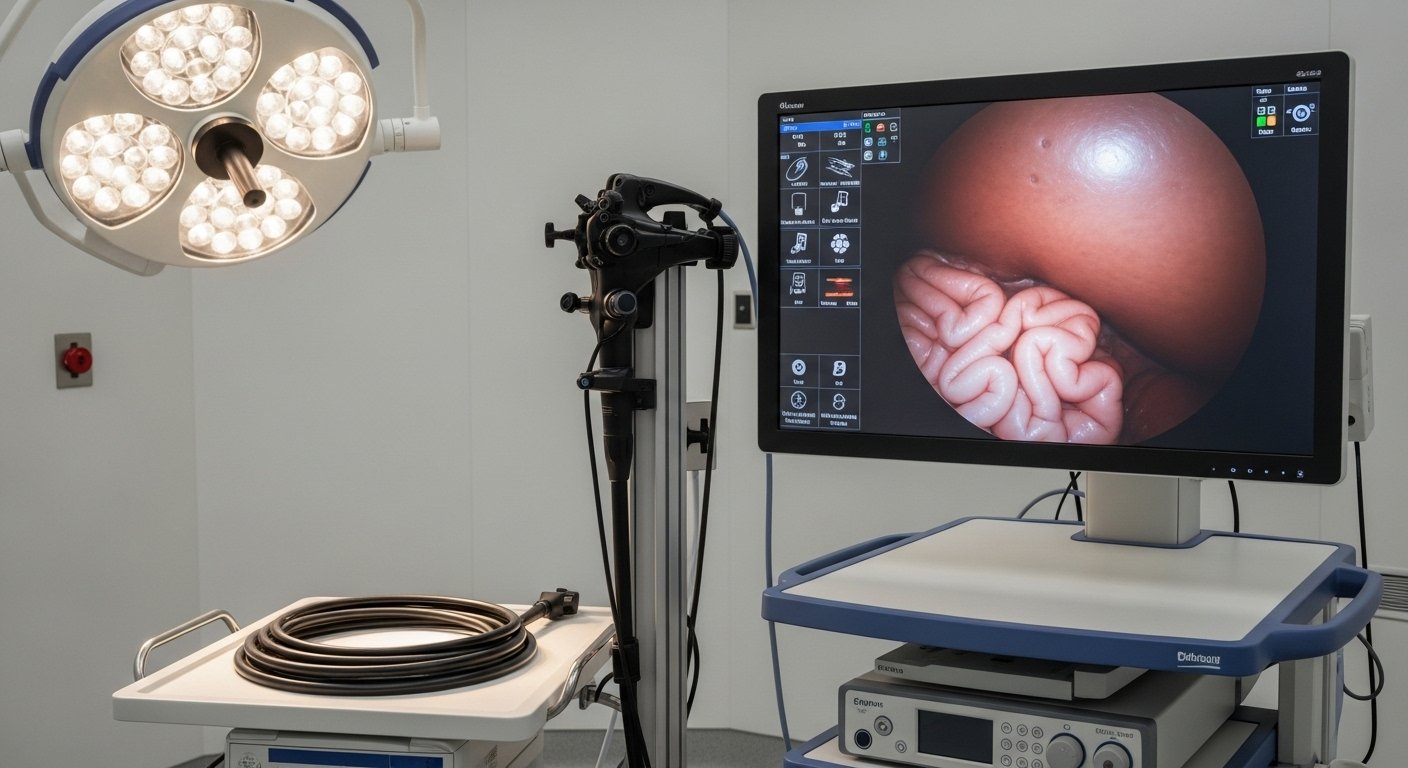
Colonoscopy is a commonly performed procedure that allows a doctor to examine the lining of the large intestine (colon and rectum). It plays an important role in screening for colorectal cancer, investigating digestive symptoms and detecting conditions such as polyps or inflammation. If you are visiting a colonoscopy clinic Singapore for the first time, it is natural to feel uncertain or anxious, especially if you are unfamiliar with the preparation or the procedure itself.
Understanding what to expect before, during and after your appointment can help make the experience less daunting and allow you to feel more prepared. Whether you have been referred because of symptoms or for routine screening, choosing a reputable colonoscopy clinic in Singapore and knowing what lies ahead can help you approach the procedure with greater confidence.
When Might You Need a Colonoscopy?
A colonoscopy may be recommended for a variety of reasons, from routine screening to investigating ongoing digestive symptoms. While many people associate the procedure with colorectal cancer screening, it is also an important diagnostic tool that helps identify the cause of gastrointestinal problems and guide appropriate treatment.
Your doctor may recommend a colonoscopy if you experience symptoms such as blood in your stool, persistent changes in bowel habits, chronic abdominal pain, unexplained weight loss or ongoing diarrhoea or constipation. The procedure can also be used to investigate iron deficiency anaemia when bleeding from the digestive tract is suspected.
Even if you feel well, a colonoscopy may be advised as part of routine colorectal cancer screening, particularly if you are aged 45 or older or have a higher-than-average risk due to a personal or family history of colorectal cancer, colorectal polyps or certain inherited conditions.
What Happens During Your First Visit to a Colonoscopy Clinic?
Your first visit usually begins with a consultation to understand your symptoms, medical history and overall health. Your doctor will ask about any digestive concerns, previous medical conditions, medications you are taking and whether you have a family history of colorectal cancer or polyps. A physical examination may be performed if appropriate.
Based on this assessment, the doctor will explain why a colonoscopy is recommended, what the procedure involves and any potential benefits or risks. This is also an opportunity to discuss your concerns, including sedation, recovery and preparation. Before you leave, you will receive instructions on how to prepare for the procedure and what to expect on the day of your appointment.
How to Prepare for Your Colonoscopy
Proper preparation is essential for a successful colonoscopy, as a clean bowel allows your doctor to examine the lining of the colon more clearly. In the days leading up to the procedure, you may be asked to adjust your diet by avoiding certain high-fibre foods and switching to clear liquids the day before. You will also need to take a prescribed bowel preparation solution to empty your colon.
Be sure to inform your doctor about any medications you are taking, as some may need to be temporarily adjusted. If sedation is planned, arrange for someone to accompany you home after the procedure. Following the preparation instructions carefully can improve the accuracy and safety of your colonoscopy.
What Happens on the Day of the Procedure?
On the day of your colonoscopy, you will register at the clinic before being prepared for the procedure. A member of the healthcare team will review your medical history, confirm that you have completed the bowel preparation and answer any last-minute questions. Sedation is typically administered to help you remain comfortable throughout the examination.
During the procedure, a thin, flexible tube with a camera is gently inserted into the rectum to examine the colon. If polyps are found, they can often be removed during the same procedure, while small tissue samples may be taken for further analysis if needed. After the examination, you will rest in a recovery area until the effects of the sedation have worn off before being discharged home.
Recovery and When to Expect Results
Most people recover quickly after a colonoscopy and are able to return home the same day. It is common to experience mild bloating, gas or abdominal discomfort for a short period due to the air introduced during the procedure. If you have received sedation, you should avoid driving, operating machinery or making important decisions until the following day. In many cases, your doctor can discuss the initial findings with you before you leave the clinic.
However, if tissue samples were taken or polyps were removed, laboratory analysis may take several days before the final results are available. Contact your doctor promptly if you develop severe abdominal pain, persistent heavy bleeding, fever or other concerning symptoms after the procedure.
Conclusion
Visiting a colonoscopy clinic for the first time may seem intimidating, but understanding the process can help you feel more prepared and confident. From your initial consultation and bowel preparation to the procedure itself and recovery, each step is designed to support an accurate examination while prioritising your comfort and safety.
Whether you are undergoing a colonoscopy for routine screening or to investigate digestive symptoms, early assessment can play an important role in maintaining your colorectal health. If you would like to learn more about colonoscopy or discuss your symptoms, contact us here:
Andrea’s Digestive Clinic: Colon | Liver | Gallbladder | GERD | Acid Reflux Specialist
Royal Square at Novena and Royal Square Medical Centre
101 Irrawaddy Rd, #21-11/12 Royal Square Medical Centre, Singapore 329565
Phone: +65 6264 2836