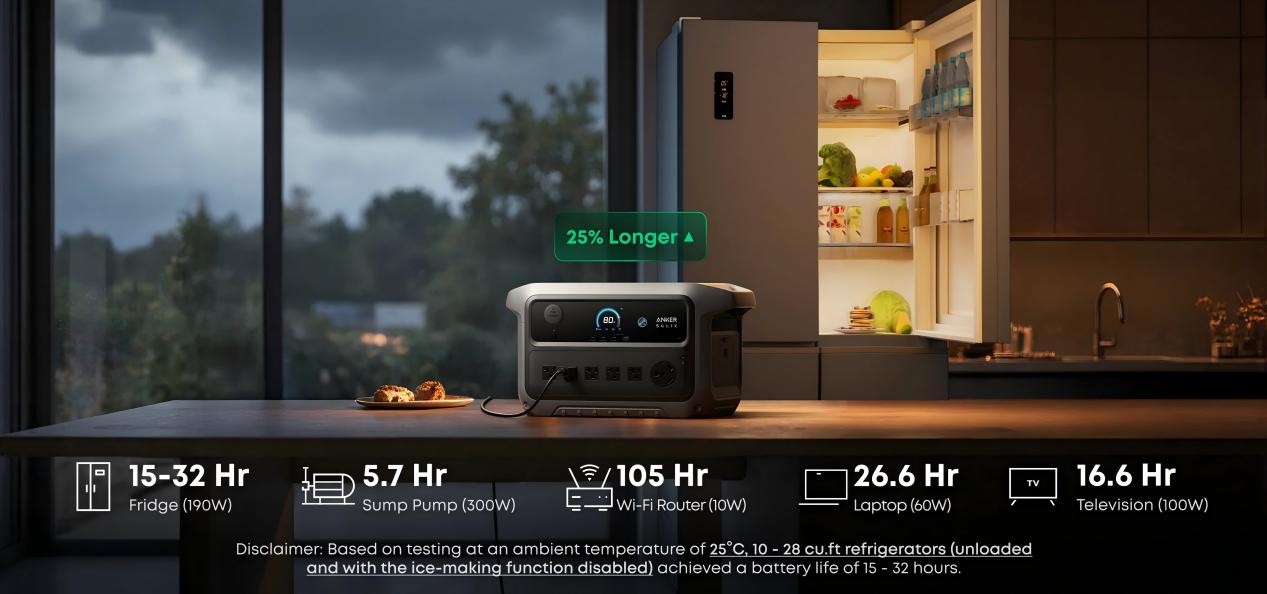
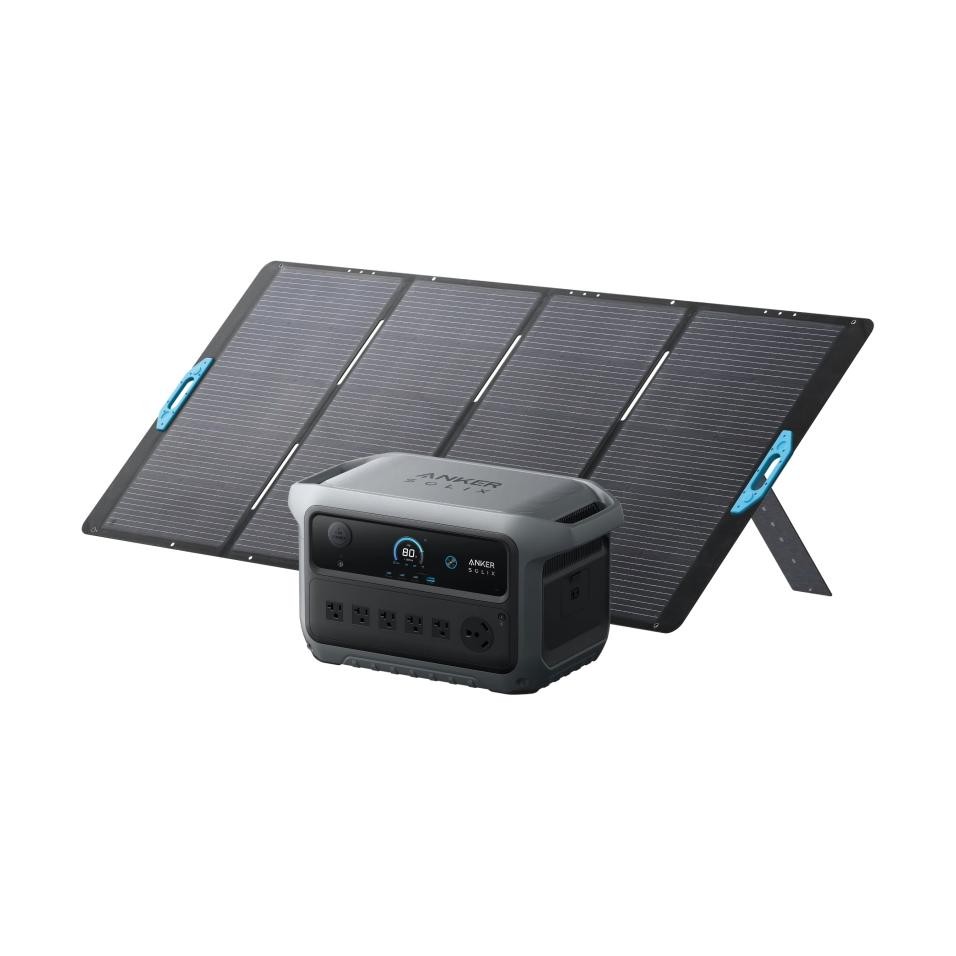
Daily routines transform when a home or traveler begins relying on a solar power generator rather than traditional fuel-based machines or grid-only habits. People start thinking differently about energy—when they use it, how they store it, and how they replenish it. Solar generation introduces new freedoms but also new patterns, encouraging users to align their activities with sunlight availability while enjoying reliable backup power whenever needed. A system such as the Anker SOLIX C2000 Gen 2 paired with a 400W solar panel offers a strong example of how portable solar power naturally integrates into day-to-day life. Its expandable capacity, fast solar charging, low idle consumption, and rugged panel design allow users to adopt cleaner and more flexible routines without feeling restricted or dependent on fuel cycles. As habits shift, users discover a more intentional and resilient way of powering their lives.
How Solar Power Changes Daily Energy Planning?
Users Begin Scheduling High-Load Tasks Around Daylight
Daily planning often shifts when people start generating power from sunlight. Instead of relying on constant grid availability, they prioritize running heavier appliances during hours when solar supply remains strongest. With up to 23% panel efficiency and four adjustable angles for optimal capture, the PS400 panel helps users maximize every hour of usable light. When paired with the C2000 Gen 2’s ability to power a dual-door fridge for up to 32 hours on a single charge, households can adopt a practical rhythm: charge during the day and consume predictably through the night. This pattern becomes intuitive over time, helping users stretch their stored energy further while maintaining comfort.
Backup Power Turns Into a Daily Convenience Rather Than an Emergency Tool
A shift toward everyday usage occurs once users experience the immediacy and quiet convenience of a solar power generator. Instead of reserving it for blackouts, they run small appliances, work tools, outdoor gear, or household devices simply because clean stored energy is available. The C2000 Gen 2’s six recharging methods make the transition effortless. Whether charging through AC before a trip or capturing sunlight on location, people enjoy consistent power without the noise or fumes associated with gas-based machines. As a result, the generator becomes a dependable part of daily life—similar to a rechargeable appliance rather than a last-resort backup unit.
Mobility Encourages Users To Bring Power Into New Spaces
Portable solar systems inspire users to work, cook, camp, or relax anywhere without worrying about cables or outlets. The manageable size of the C2000 Gen 2 and its compatibility with RVs through the TT-30 port expand possibilities even further. Day-to-day life increasingly extends outdoors: powering an induction burner in the backyard, keeping a mini-fridge running at a lakeside picnic, or supporting a remote workstation in a quiet natural setting. Solar generation decentralizes power usage, removing the psychological dependency on fixed indoor spaces.
How Charging Routines Shift With a Solar Generator?
Solar Recharging Encourages a “Harvest and Store” Mindset
Users naturally start observing weather patterns, sunlight duration, and panel placement once solar energy becomes part of their routine. Instead of consuming electricity without awareness, they gain a clearer sense of where their power comes from and how to replenish it efficiently. The PS400’s sturdy IP67 design allows placement in unpredictable weather, lowering the risk of lost charging days. Because the C2000 Gen 2 needs only 9W of idle consumption, stored energy lasts longer between cycles, reducing pressure on daily harvesting. This balanced pattern becomes a habit, improving how users plan power usage across a 24-hour cycle.
Hybrid Charging Offers Flexibility When Schedules Become Unpredictable
Solar is abundant but not always consistent. Daily life does not always allow perfect alignment with sunshine, especially during travel or busy weeks. That is where hybrid charging becomes essential. By supporting rapid AC charging—reaching 80% in about 45 minutes—the system eliminates downtime. This allows users to keep their routine even when sunlight is limited or when multiple devices require simultaneous power. The generator becomes a dynamic part of the household, adapting to spontaneous changes rather than forcing users to compromise.
Long Runtime Reduces the Need for Constant Monitoring
Solar systems with greater capacity influence behavior differently than smaller units. With up to 4kWh expandable capacity, users gain longer operational windows without needing to check battery status frequently. A dual-door fridge running overnight for 32 to 64 hours, depending on configuration, gives families confidence in storing food and maintaining comfort during hot seasons or road trips. This stability helps people integrate solar systems into normal routines, no longer thinking about energy as a fragile resource but as a dependable daily utility.
Conclusion
Daily habits evolve naturally when a household adopts a solar generator. People begin structuring their energy use around sunlight availability, optimizing daytime charging and nighttime consumption in a smooth rhythm. Systems such as the Anker SOLIX C2000 Gen 2 paired with its 400W solar panel make this transition easy through fast recharging, strong sunlight capture, low idle consumption, and reliable long-term power output. As solar usage becomes familiar, users gain a deeper understanding of energy flow and enjoy independence from grid limitations or fuel scarcity. Over time, a solar generator becomes more than a backup—it becomes a steady, empowering part of everyday living, reshaping routines through freedom, efficiency, and self-sustaining power.