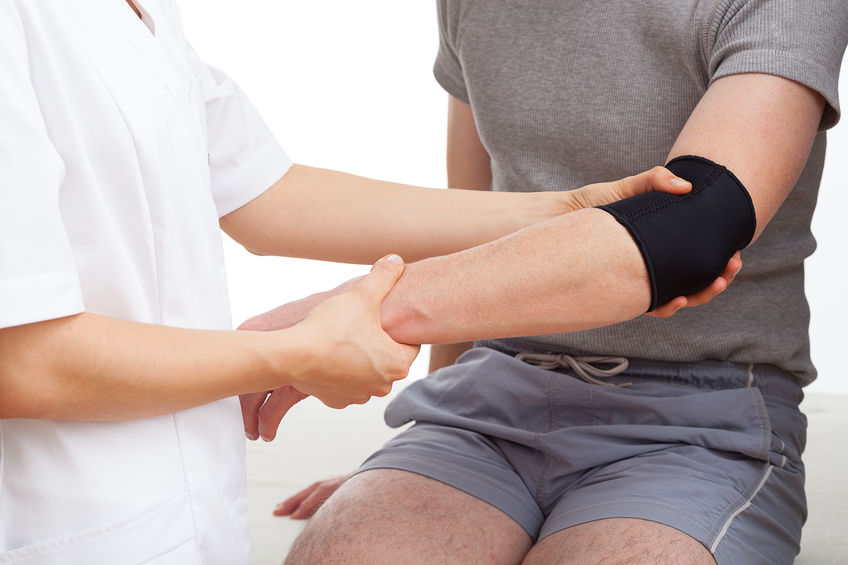
Tennis elbow, medically known as lateral epicondylitis, is a common sports injury that affects not only tennis players but anyone who frequently performs repetitive arm and wrist movements. From lifting weights at the gym to typing or even gardening, the condition can cause significant pain and discomfort, limiting daily activities and impacting athletic performance.
Visiting a specialized sports injuries clinic can make a significant difference, as these clinics offer expert assessment, tailored treatment plans, and rehabilitation programs designed to help patients recover safely and return to their regular activities faster.
To learn more about treatment options for sports injuries, you can read more here https://rayofhealth.sg/treatment/sports-injury-treatment-in-singapore/.
Causes of Tennis Elbow
Tennis elbow occurs when the tendons that attach the forearm muscles to the outer elbow become overworked or strained. While it’s commonly associated with racquet sports, this condition can affect anyone performing repetitive arm movements. A sports injuries clinic can help identify the exact cause and recommend effective treatment. Common factors that contribute to tennis elbow include:
- Repetitive motion: Frequent use of the wrist and forearm, such as in tennis, golf, or weightlifting.
- Poor technique: Incorrect form during sports or exercises that place extra strain on the elbow tendons.
- Overuse at work: Jobs involving typing, lifting, or manual labor can strain the forearm muscles over time.
- Age-related wear: Tendons naturally weaken with age, making injuries more likely in adults aged 30–50.
- Previous injuries: A history of elbow or forearm injuries can increase susceptibility.
Understanding these causes at a sports injuries clinic ensures targeted care and reduces the risk of recurrence.
Symptoms and Signs of Tennis Elbow
Tennis elbow can cause a range of symptoms, from mild discomfort to severe pain, impacting daily activities and athletic performance. Recognizing the signs early is important for effective treatment. Common symptoms include:
- Pain and tenderness on the outer elbow – often worsens with gripping or lifting objects.
- Forearm weakness – difficulty holding items, shaking hands, or performing everyday tasks.
- Stiffness – limited range of motion in the elbow joint, especially after rest.
- Radiating discomfort – pain may extend down the forearm or wrist.
- Pain after activity – discomfort typically intensifies following repetitive movements or sports activities.
Identifying these symptoms promptly and visiting a sports injuries clinic ensures proper assessment, helps prevent worsening of the condition, and allows for targeted treatment plans designed to relieve pain, restore function, and reduce the risk of recurrence.
Diagnosis at a Sports Injuries Clinic
Accurate diagnosis is a crucial first step in treating tennis elbow, and a sports injuries clinic specializes in identifying the root cause of the pain. The assessment typically includes:
- Medical history review – discussing daily activities, sports routines, and previous injuries.
- Physical examination – checking tenderness, range of motion, grip strength, and pain during specific movements.
- Movement and functional tests – identifying which activities worsen symptoms and assessing tendon function.
- Imaging tests when needed – ultrasound or MRI may be recommended to rule out other conditions and determine the severity of tendon damage.
By combining professional evaluation with targeted assessments, a sports injuries clinic can determine whether the condition is true lateral epicondylitis or caused by another underlying issue.
Treatment Options
A sports injuries clinic in Singapore offers a range of treatment options for tennis elbow, tailored to the severity of the condition.
Non-surgical treatments:
- Rest and activity modification to reduce strain
- Physiotherapy exercises to strengthen forearm muscles
- Bracing or taping to support the elbow
- Pain relief techniques such as ice therapy or anti-inflammatory medication
Advanced treatments at a sports injuries clinic:
- Shockwave therapy to stimulate tendon healing
- Platelet-rich plasma (PRP) injections for persistent cases
- Personalized rehabilitation programs for faster recovery
These approaches help relieve pain, restore function, and reduce the risk of recurrence.
Rehabilitation and Recovery
Rehabilitation is a crucial part of recovering from tennis elbow, and a sports injuries clinic provides structured programs to restore strength and flexibility. Guided exercises help improve forearm muscle control, enhance grip strength, and reduce strain on the tendons, allowing patients to return to daily activities safely.
Recovery timelines vary depending on the severity of the injury. Mild cases may improve within a few weeks, while more severe or chronic cases could take several months. Regular monitoring at a sports injuries clinic ensures progress is tracked, exercises are adjusted as needed, and the risk of re-injury is minimized.
Prevention Strategies
Preventing tennis elbow is just as important as treatment, and a sports injuries clinic can provide guidance on long-term injury prevention. Key strategies include maintaining proper technique during sports and workouts, performing regular forearm and wrist strengthening exercises, and using appropriate equipment to reduce strain. Stretching before and after activity can also help.
Conclusion
Tennis elbow can significantly impact daily activities and sports performance, but with timely diagnosis, effective treatment, and guided rehabilitation, full recovery is possible. Visiting a sports injuries clinic ensures expert care tailored to your specific needs, helping you relieve pain, restore function, and prevent future injuries. For professional assessment and personalized treatment, book a consultation at:
Ray of Health
1 Orchard Blvd, Singapore 248649
Phone: 6235 8781