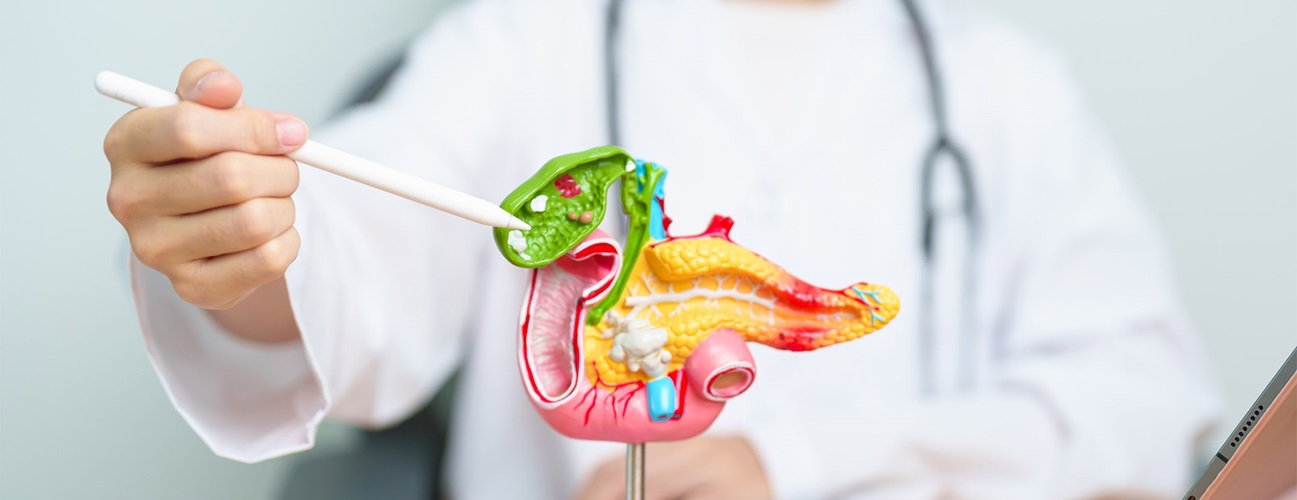
Gallstones are a common digestive problem that affect many people, often without causing noticeable symptoms. While some individuals may live with gallstones for years without issues, complications such as cholecystitis (inflammation of the gallbladder) or pancreatitis (inflammation of the pancreas) can develop and become serious medical concerns.
Timely evaluation and management are crucial in these cases, and a Gallstone removal doctor plays a key role in diagnosing these complications, providing both non-surgical and surgical treatment options, and ensuring the best possible outcomes for patients. To learn more about gallstone management and treatment options, you can visit https://drtansiongsan.com.sg/gallstones/ for detailed information.
What is Cholecystitis?
Cholecystitis is the inflammation of the gallbladder, usually caused by gallstones blocking the bile duct. This blockage prevents bile from flowing normally, leading to swelling, irritation, and sometimes infection of the gallbladder. The condition can occur suddenly, known as acute cholecystitis, or develop gradually over time, referred to as chronic cholecystitis.
Common symptoms include severe pain in the upper right abdomen, tenderness, nausea, vomiting, and sometimes fever. In chronic cases, the pain may be less intense but recurring, often after meals.
Left untreated, cholecystitis can lead to serious complications such as gallbladder rupture or infection spreading to other organs. Understanding the condition is key to recognizing when medical evaluation is necessary.
Understanding Gallstone-Induced Pancreatitis
Gallstone-induced pancreatitis occurs when a gallstone blocks the pancreatic duct, preventing digestive enzymes from flowing into the small intestine. This blockage causes the pancreas to become inflamed, which can range from mild discomfort to a serious, potentially life-threatening condition.
Common symptoms include severe upper abdominal pain that may radiate to the back, nausea, vomiting, fever, and digestive disturbances. The intensity of symptoms can vary, with some patients experiencing sudden, sharp pain while others have recurring episodes.
Complications can include pancreatic tissue damage, infection, or fluid accumulation around the pancreas. Understanding how gallstones can trigger pancreatitis is important for recognizing warning signs and seeking timely medical evaluation.
Diagnosis and Evaluation by a Gallstone Removal Doctor
When complications from gallstones are suspected, a careful and systematic evaluation is essential to confirm the diagnosis and determine the severity of the condition. A Gallstone Removal Doctor uses a combination of clinical assessment, laboratory tests, and imaging studies to evaluate the gallbladder, bile ducts, and pancreas. This process helps distinguish between conditions like cholecystitis, pancreatitis, or other digestive issues.
Typical diagnostic steps include:
- Physical examination: Checking for tenderness or swelling in the upper right abdomen
- Blood tests: Measuring liver enzymes, bilirubin, pancreatic enzymes, and markers of infection
- Ultrasound imaging: Detecting gallstones, inflammation, or structural abnormalities in the gallbladder
- CT or MRI scans: Providing detailed images to identify the extent of inflammation or complications
- Endoscopic procedures: Sometimes performed to remove or bypass obstructing stones and obtain tissue samples if needed
This thorough diagnostic approach ensures that the underlying problem is accurately identified, allowing the doctor to determine the most appropriate treatment plan.
Non-Surgical Treatment Options
In some cases, complications from gallstones can be managed without immediate surgery. Non-surgical approaches aim to relieve symptoms, control inflammation, and stabilize the patient. Common non-surgical treatments include:
- Hospitalization and IV fluids: To prevent dehydration and support recovery
- Pain relief and anti-inflammatory medication: To manage discomfort and reduce inflammation
- Antibiotics: If infection is present or suspected
- Endoscopic Retrograde Cholangiopancreatography (ERCP): To remove obstructing stones from the bile or pancreatic ducts
These measures can help manage acute episodes and prepare patients for surgery if needed, or in some cases, serve as temporary treatment until symptoms resolve.
Surgical Treatment Options
For many patients with gallstone complications, surgery provides a definitive solution. Surgical intervention is typically recommended when inflammation is severe, symptoms are recurrent, or non-surgical treatments are insufficient. The goal is to remove the gallbladder and prevent further complications such as recurrent cholecystitis or pancreatitis.
Common surgical approaches include:
- Laparoscopic cholecystectomy: A minimally invasive procedure using small incisions and a camera, which reduces recovery time and post-operative pain
- Open cholecystectomy: Performed in complex or emergency cases, involving a larger incision to safely remove the gallbladder
- Timing considerations: Surgery may be performed urgently in cases of severe inflammation or pancreatitis, or electively once the patient is stabilized
- Multidisciplinary management: In complicated cases, surgery may be combined with pre- or post-operative procedures, including endoscopic stone removal or supportive medical care
Early surgical intervention by a specialist ensures that the procedure is performed safely and effectively, minimizing the risk of recurrence and other complications.
Summary
Gallstone complications like cholecystitis and pancreatitis can be serious if left untreated, but timely evaluation and appropriate management make a significant difference in outcomes. Both non-surgical and surgical treatment options are available, and the choice depends on the severity of the condition and overall patient health.
Consulting a gallstone removal doctor ensures accurate diagnosis, effective treatment, and reduced risk of recurrence or further complications. If you are experiencing gallstone-related symptoms, visit our clinic in Singapore at:
Tan Siong San Surgery – Gallbladder | Liver | Pancreas Specialist Singapore
38 Irrawaddy Rd, #09-58 Mount Elizabeth Novena Specialist Centre, Singapore 329563 (Mount Elizabeth Novena Hospital)
Phone: +65 6970 8852